%20(1).png)
%20(1).png)
Instagram-Worthy Desert Destinations: The Palm Springs Photo Guide

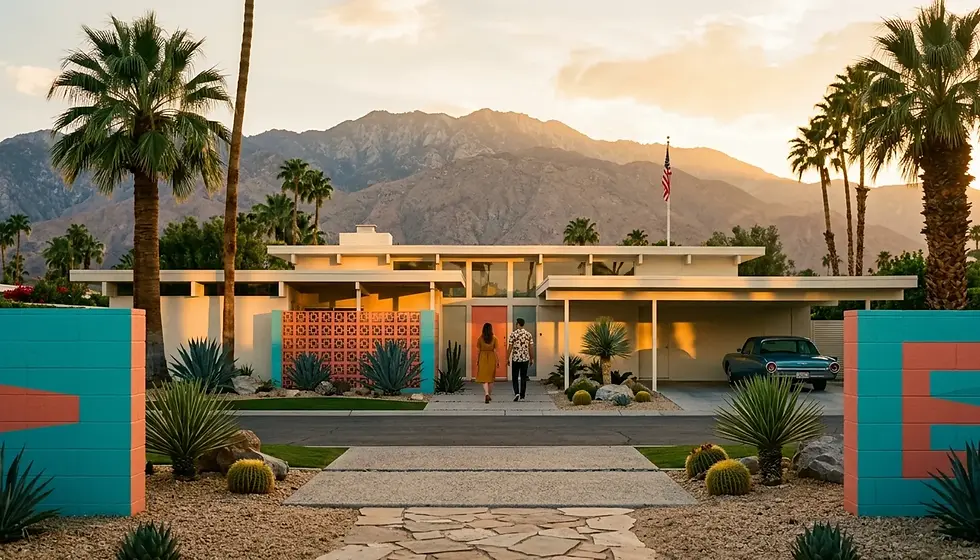
Palm Springs is one of the most instagram-worthy desert destinations in the American Southwest, and in 2026 its photography scene has only gotten richer. The city packs mid-century modern architecture, vivid color palettes, and dramatic San Jacinto Mountain backdrops into a compact, walkable footprint that rewards anyone who shows up with a charged phone and a good sense of timing. Whether you want the perfect pool shot, a sunrise cactus garden, or a wind farm silhouette at golden hour, the Coachella Valley delivers a density of visual moments that few desert cities can match.
TL;DR
Palm Springs concentrates more photogenic spots per square mile than almost any city its size, from the colorful doors of Twin Palms to the neon signage of South Palm Canyon Drive.
The best outdoor shots happen before 10 a.m. or after 4 p.m.; midday desert light above 100°F bleaches color and is nearly unusable from June through September.
Several top spots require advance planning: Indian Canyons charges a tribal fee, The Parker Palm Springs charges $2,500 for commercial DSLR permits, and the Tahquitz Canyon waterfall runs seasonally.
Modernism Week (held each February) opens private mid-century homes and exclusive architecture tours that are unavailable the rest of the year, making it the single best time to photograph Palm Springs architecture.
According to the Greater Palm Springs Convention and Visitors Bureau, the region generates $9 billion in annual tourism economic impact, which funds the public art and infrastructure that makes so many spots camera-ready.
The Muse Hotel Palm Springs, located in the Warm Sands neighborhood roughly 2.1 miles from downtown, puts guests within 15 minutes of nearly every location in this guide.
This guide covers the city's most photogenic locations with the specificity that generic lists skip: best shooting times, access notes, practical caveats, and the seasonal intelligence that separates a genuinely useful resource from a repurposed tourist pamphlet. You will also find a one-day photo itinerary, a section on camera technique for harsh desert light, and honest notes on which spots are worth the hype and which ones you can safely skip.
If you are still deciding where to stay while you work through this list, the adults-only boutique suites at The Muse Hotel Palm Springs sit in the Warm Sands neighborhood, placing you within easy reach of Indian Canyons, the downtown corridor, and Moorten Botanical Garden without the noise of the main resort strip. More on that at the end.
Table of Contents
What Makes Palm Springs So Photogenic?
Palm Springs is photogenic because three distinct visual systems converge in a single, compact city: the geometric boldness of mid-century modern architecture, the saturated palette of desert landscaping and painted building facades, and the cinematic backdrop of the San Jacinto Mountains rising abruptly from flat valley floor. No other Southern California city concentrates all three at this density.
The architectural context matters more than most photo guides acknowledge. The city's mid-century modern building stock, largely constructed between the 1940s and 1970s by architects including Albert Frey, William Krisel, and Richard Neutra, was designed to interact with desert light at specific angles. Flat rooflines, deep overhangs, and floor-to-ceiling glass create strong geometric shadows that make even ordinary street corners visually interesting before 9 a.m. and after 4 p.m.
According to the Visit Palm Springs official tourism board, the city's commitment to public art has added another photogenic layer in recent years. The Forever Marilyn statue, Colette Miller's Angel Wings installation, and rotating murals in the downtown park corridor give photographers a changing roster of content that hotel guides alone cannot match.
Practically, the city's small scale works in your favor. The downtown corridor, the Warm Sands neighborhood, and the South Palm Canyon Drive strip are all within a 10-minute drive of each other. You can realistically visit eight to ten distinct photo spots in a single day without a car rental becoming a logistics problem.
Which Palm Springs Hotel Spots Are Worth Photographing?
Several Palm Springs hotels function as public photo destinations in their own right, though access policies vary significantly by property. The most-photographed hotel exteriors in the city are The Saguaro Hotel, The Parker Palm Springs, and the Ace Hotel Palm Springs, each offering a distinct visual identity worth understanding before you show up.
The Saguaro Hotel
The Saguaro Hotel at 1800 E Palm Canyon Drive is the city's most reliably vibrant exterior shot. New York-based Stamberg Aferiat Architecture chose 14 distinct colors for the renovation in 2012 to align with the hotel's 14-room longest facade and 14 balconies. Shoot at midday when the colors are at full saturation. The pool shots work best in late morning when the water sparkles without the midday glare. El Jefe, the on-site restaurant run by celebrity chef Jose Garces, has a happy hour Monday through Friday from 3 to 6 p.m. with $5 margaritas and its own visual energy.
The Parker Palm Springs
The Parker Palm Springs at 4200 E Palm Canyon Drive was originally California's first Holiday Inn, opened in 1959. Designer Jonathan Adler led a $27 million renovation after hotelier Jack Parker purchased the property in 2002, and the orange doors with white lattice facade he created have become one of Palm Springs' most recognizable images. One critical caveat: commercial DSLR photography requires a permit that costs $2,500. For phone photography, the best time is around noon when the front entrance is unshaded. Avoid early morning; the hotel faces east and west and the entrance is in deep shadow before 10 a.m.
Ace Hotel Palm Springs
The Ace Hotel at 701 E Palm Canyon Drive is publicly accessible for the ACE letters sign in the parking lot, which is free to photograph any time. The mural in the courtyard is repainted periodically, so the current design changes. Inside Kings Highway diner, the rattan elephant head booth is the most-photographed interior element. Ask for a table near it; the booth is not a dedicated photo station, so ordering something makes the interaction easier.
Korakia Pensione
Korakia Pensione at 257 S Patencio Road operates more like a bed and breakfast and photographs like a Moroccan village that got lost in the Coachella Valley. The Acropolis Suite, the Aegean Bungalow, and the Ionian Bungalow on the Mediterranean side are the most distinctive interior options. Photography access is limited to registered guests, so this one requires an overnight stay to capture properly.
The Muse Hotel Palm Springs
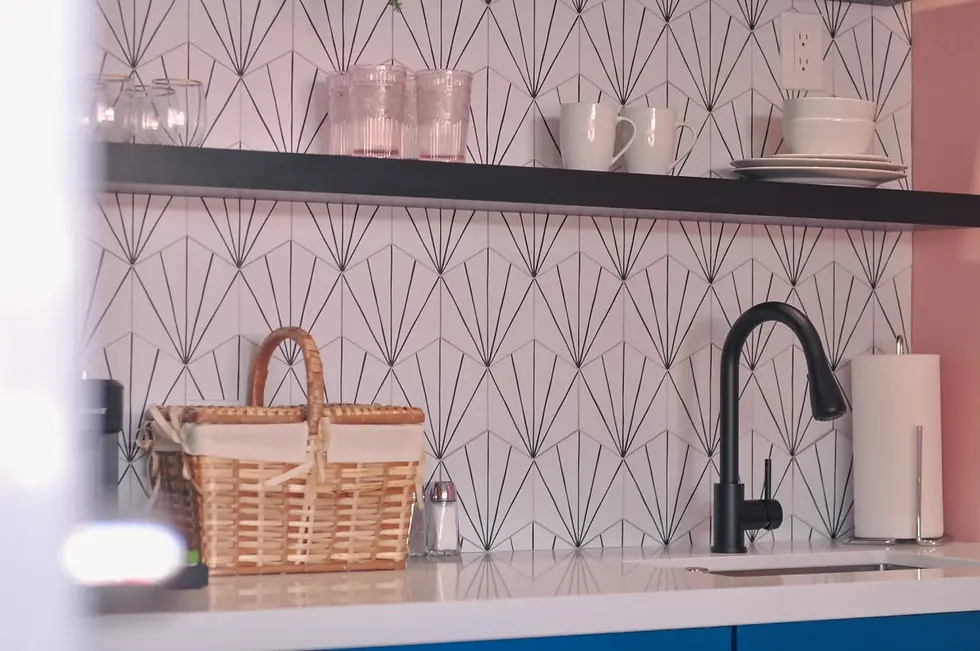
For a hotel that is genuinely built to photograph well, the nine named suites at The Muse Hotel Palm Springs in the Warm Sands neighborhood offer something the larger hotels cannot: distinct visual identities room by room. The Barbie Suite opens directly onto the vibrant courtyard pool, giving you the mid-century pool aesthetic without navigating a crowd. The Marilyn Suite delivers bold color and retro design details that photograph with natural indoor light. The courtyard heated pool, framed by palm trees with the San Jacinto Mountains behind it, is the kind of backdrop that makes a phone photo look like it needed a professional photographer. The hotel is about 2.1 miles from downtown Palm Springs, roughly a five-minute drive along South Palm Canyon Drive.
Where Are the Famous Colorful Doors of Palm Springs?
The colorful doors of Palm Springs are concentrated in the South Palm Springs neighborhoods of Indian Canyons and Twin Palms, particularly along E Sierra Way, Yosemite Drive, Alhambra Road, Murray Canyon Drive, Kings Point, and Sierra Madre at E Alto Circle. These are residential streets, which means photography is limited to public sidewalks and street views. Do not walk onto private driveways or into yards for a better angle.
That Pink Door
The most famous single door in Palm Springs is That Pink Door at 1100 E Sierra Way. Interior designer Moises Esquenazi renovated the private home and the hashtag #thatpinkdoor accumulated significant reach before the owners posted No Photos signs in response to foot traffic and boundary violations. Drive-bys remain possible, but do not stop and pose in front of someone's front door without acknowledging that this is a private residence. The official Visit Palm Springs self-guided door tour, available on their website, provides a mapped route that respects these boundaries and includes dozens of other photogenic entrances along the same streets.
Mid-morning and late afternoon are the best shooting windows for the colored doors. Direct midday sun at these latitudes blows out the color entirely, and the east-facing facades on Sierra Way go into shadow by early afternoon. Plan the door tour between 8 and 11 a.m. or between 3 and 5 p.m. for the best results.

What Are the Best Outdoor and Nature Photo Spots?
The outdoor photography options around Palm Springs range from tribal canyon lands to wind farm silhouettes, and each has different access requirements, seasonal conditions, and optimal shooting windows that most lists omit entirely.
Indian Canyons
Indian Canyons, located at 38520 S Palm Canyon Drive, is part of the Agua Caliente Band of Cahuilla Indians' ancestral homeland. The trailhead is about 3.5 miles from The Muse Hotel Palm Springs, roughly an 8 to 10 minute drive. Admission fees apply and vary by season; check the Indian Canyons official website for current rates before arriving. Morning is the only viable shooting window: the towering California fan palms in Palm Canyon glow with backlight before 10 a.m., and temperatures climb above 100°F by midday from late May through September. The tribal land context matters here. Follow posted guidelines, stay on marked trails, and treat the canyon as the sacred and inhabited landscape it is.
Tahquitz Canyon
Tahquitz Canyon features a 60-foot seasonal waterfall that is Palm Springs' most dramatic natural photo subject. The waterfall runs from roughly December through May, depending on precipitation. Morning to early afternoon provides the best light; direct sun reaches into the canyon floor by late morning, giving the waterfall a clean bright exposure. The trail is a 1.9-mile loop with about 350 feet of elevation gain, accessible via guided or self-guided tours from the Tahquitz Canyon visitor center on W Mesquite Avenue. Arrive before 9 a.m. on weekends to avoid wait times at the entrance.
Moorten Botanical Garden and Cactarium
Moorten Botanical Garden and Cactarium at 1701 S Palm Canyon Drive charges $5 admission and is one of the most underrated photo stops in the city. The cactarium in the back is the densest and most-photographed section, with specimens reaching 20 feet tall. Arrive early before the heat makes the space uncomfortable; there is no shade cover in the cactarium. Outfit color matters here more than at almost any other Palm Springs spot: orange, yellow, and red clothing creates the strongest visual contrast against the grey-green cactus textures and sandy soil. From The Muse Hotel Palm Springs, Moorten Botanical Garden is about 1.5 to 2.8 miles away depending on which suite you are in, under 8 minutes by car.
The Palm Springs Windmills
The wind farms north of Palm Springs are accessible independently by driving north on N Indian Canyon Drive, turning left on Garnet Avenue, and driving roughly one mile to the service roads alongside the turbines. Sunset and sunrise produce the strongest silhouette shots, with the turbines backlit against a gradient sky. Paid guided access is available through Windmill Tours, which gets you up-close to the base of the turbines, a perspective that independent roadside shooting cannot replicate.
The Palm Springs Aerial Tramway
The Palm Springs Aerial Tramway offers something no ground-level Palm Springs photo can deliver: an elevation shift from 2,643 feet to 8,516 feet in under 10 minutes. The rotating gondola produces a constantly changing perspective over the Coachella Valley on the way up, and the mountain station at San Jacinto State Park can receive snow as late as April. Purchase tickets in advance on weekends and during peak season; the tram books out by mid-morning. The tram is approximately 3.2 to 13.8 miles from the various suites at The Muse Hotel Palm Springs, with the Kate Suite the closest at roughly 8 minutes.
Forever Marilyn and Downtown Public Art
The 26-foot-tall Forever Marilyn statue stands in the downtown park near the Palm Springs Art Museum and the Rowan Kimpton corridor on W Tahquitz Canyon Way. Golden hour is the best shooting time when warm light hits the statue's face. The Angel Wings by artist Colette Miller are on the same block and are best photographed in the morning when the wings face into the light directly. Both are free and publicly accessible.
Which Dining and Retail Spots Photograph Best?
Several Palm Springs restaurants and shops photograph as well as the hotels, and unlike some hotel properties, these are open to anyone who orders something or walks through the door.
Azucar at La Serena Villas
Azucar at La Serena Villas at 339 S Belardo Road has two distinct photo moments. The Frida table on the main floor, decorated with imagery inspired by Frida Kahlo, is the most-requested spot in the dining room. Upstairs, the Sugar High bar has its own visual energy and a smaller crowd. Arrive at opening for the table you want; the Frida table fills quickly on weekend mornings.
Sherman's Deli and Bakery
Sherman's Deli and Bakery at 401 E Tahquitz Canyon Way has operated since the 1950s and its vintage mid-century signage is a Palm Springs institution. The large display cases of cakes and the period-accurate storefront exterior photograph well at any time of day. This is one spot where the interior honestly matches the nostalgia of the exterior, which is not always the case with vintage-signage diners.
The Shops at Thirteen Forty-Five
The retail complex at 1345 N Palm Canyon Drive has a pink exterior wall that is the primary draw for photographers, though the boutique shops inside are worth a look. The wall photographs best in mid-morning light before it falls into shadow. If you are already doing the door tour in the Indian Canyons and Twin Palms neighborhoods, add a 10-minute detour north to combine them in one loop.
Rooster and the Pig
Not strictly a photo destination, but Rooster and the Pig earned USA Today's Restaurant of the Year recognition in 2026, making it the kind of culinary context that adds credibility to a Palm Springs content weekend. The Vietnamese-American menu and warm interior design photograph cleanly. Reserve ahead; the restaurant fills every night of the week during peak season.
Cheeky's
Cheeky's on North Palm Canyon Drive is the city's most photographed brunch spot for good reason. The rotating bacon flight is its signature, and the outdoor patio has a visual lightness that the heavier resort brunches lack. The line forms by 8:30 a.m. on weekends. Arrive at or before opening, or budget 30 to 45 minutes if you arrive later.
What Day Trips from Palm Springs Are Worth the Drive?
The most instagram-worthy desert destinations around Palm Springs extend well beyond the city limits, and several of the most visually dramatic spots require 45 to 90 minutes of driving. These are worth the time, but plan your day around the drive if you want to hit multiple locations.
Joshua Tree National Park
Joshua Tree National Park is approximately 42 to 45 miles from Palm Springs, roughly an hour's drive without traffic. Skull Rock, just off Park Boulevard near the Jumbo Rocks campground, is the park's most photographed formation: a granitic boulder eroded into a skull-like silhouette that works particularly well as a foreground element against sunrise or sunset skies. Enter via the west entrance at 74485 National Park Drive for the most direct route. The America the Beautiful annual pass covers entry; otherwise the fee is $35 per vehicle as of 2026. From The Muse Hotel Palm Springs, guests can reach the park's western entrance in approximately 50 minutes.
Salvation Mountain
Salvation Mountain at Beal Road near Calipatria is approximately 1.5 hours from Palm Springs and requires a full half-day commitment. The folk art installation created by the late Leonard Knight covers three acres of desert hillside in handmade adobe and thousands of gallons of paint. The adjacent Slab City, an off-grid community that evolved from an abandoned military base, is worth adding to the same trip. Visit in the morning before temperatures peak, and bring more water than you think you need; there are no services at the site.
Cabazon Dinosaurs
The Cabazon Dinosaurs at 50770 Seminole Drive in Cabazon are free to photograph from the exterior and accessible to the gift shop. The two giant roadside dinosaurs, constructed in the 1960s and 1970s by sculptor Claude Bell, are a genuine piece of American roadside vernacular that photographs with genuine absurdist charm. They are approximately 28 to 30 miles west of Palm Springs on I-10, making them a natural stop on the drive in from Los Angeles rather than a dedicated side trip.
Sunnylands
Sunnylands Center and Gardens at 37977 Bob Hope Drive in Rancho Mirage offers free access to the contemporary gardens and visitor center, with ticketed estate tours requiring advance booking. The manicured grounds with low-water desert planting and mountain views photograph beautifully in morning light. From The Muse Hotel Palm Springs, Sunnylands is approximately 8.5 miles, about 15 to 18 minutes by car.
Pioneertown and Pappy and Harriet's
Pioneertown at 53688 Pioneertown Road was built in 1946 as a permanent Western film set and its storefronts remain intact along Mane Street. Pappy and Harriet's, the adjacent music venue and roadhouse, has a check the Pappy and Harriet's event calendar before visiting; a live music night adds atmosphere that the photogenic setting alone cannot provide. The drive is roughly an hour from Palm Springs.

When Is the Best Time of Year to Photograph Palm Springs?
The best time of year for photography in Palm Springs is October through April, specifically the shoulder months of October to November and late February to March, when temperatures stay between 70 and 90 degrees Fahrenheit and natural light is softer than the brutal summer overhead sun. Each season has distinct trade-offs that most photo guides ignore entirely.
October Through November (Best for Outdoor Spots)
The fall shoulder season offers ideal conditions: low humidity, temperatures in the mid-70s to high-80s, extended golden hour windows, and thin crowds compared to the peak winter months. The Tahquitz Canyon waterfall may not be running yet depending on the previous rainy season, but every outdoor location is accessible and comfortable. Hotel availability is generally better and rates reflect the shoulder season pricing.
January Through March (Peak Season, Peak Crowds)
This is Palm Springs' busiest window, driven by visitors escaping winter weather across the Western United States and Canada. The Greater Palm Springs Convention and Visitors Bureau reports that the region generated $9 billion in total annual tourism economic impact, with the winter peak accounting for a disproportionate share. Every spot will be busier, and the most popular hotel exteriors like The Saguaro and the Ace Hotel parking lot can feel crowded by mid-morning on weekends. Arrive before 8 a.m. at outdoor spots and plan restaurant reservations at least a week ahead.
April (Coachella and Stagecoach): Book 6 to 9 Months Ahead
The Coachella Valley Music and Arts Festival and Stagecoach Festival both run in April, roughly 15 miles east of Palm Springs near Indio. The festival periods cause accommodation demand to spike across the entire valley. Boutique properties like The Muse Hotel Palm Springs sell out months in advance for these weekends. If you are planning a photography trip that happens to overlap with festival season, book the full Hotel Buyout option well in advance; individual suites disappear even earlier. The Coachella festival grounds are approximately 6.3 miles from The Muse Hotel Palm Springs's location, about 12 minutes by car.
June Through September: Proceed With Caution
Outdoor photography in summer is genuinely limited by temperature. Palm Springs regularly exceeds 110°F from June through August, which makes the Moorten Botanical Garden cactarium, Indian Canyons, and the door tour circuits uncomfortable or dangerous between 10 a.m. and 5 p.m. The trade-off is a dramatic visual intensity: the light is harsh but the pool photos at properties like The Muse Hotel Palm Springs look genuinely cinematic in summer, with the saturated turquoise water against the brown mountain backdrop. Plan outdoor shooting for the first and last hours of daylight, then migrate to poolside and interior shots during the heat of the day.
How Do You Actually Get Good Shots in Desert Light?
Desert light photography requires a fundamentally different approach than coastal or forest shooting. The Coachella Valley's combination of high elevation, low humidity, and reflective sand creates a light quality that overexposes quickly on automatic settings and renders mid-tones flat when shot in direct overhead sun. No competitor guide covers this, and it is the single most practical gap in existing Palm Springs photography content.
The Golden Hour Window Is Shorter Than You Think
In the desert, "golden hour" actually lasts closer to 20 to 30 minutes rather than the full hour common in coastal climates. The sun rises and sets faster relative to the horizon when you are at a lower elevation with no atmospheric moisture to diffuse the light. Set your alarm earlier than you normally would. The best window for warm, diffuse light is the first 20 minutes after sunrise; after that, the contrast climbs fast. Late afternoon, specifically 4 to 5 p.m. in winter and 5 to 6 p.m. in summer, provides the same brief usable window before the light goes flat or the sun drops behind the mountains.
Camera Settings for Harsh Midday Desert Light
If you must shoot midday, reduce your exposure compensation by one to two stops below your camera's default to preserve color saturation. Shoot in RAW format if your camera allows it; JPEG processing flattens the highlights that RAW can recover in editing. On a smartphone, tap the brightest part of the frame to set your exposure, then drag the exposure slider down before shooting. The HDR mode on most modern phones tends to over-process desert scenes; manual exposure usually produces cleaner results.
Polarizing Filter for Pool and Water Shots
The turquoise water in Palm Springs hotel pools looks most vivid when the surface glare is cut. A circular polarizing filter, rotated until the reflections disappear, reveals the pool's bottom and intensifies the water color. This technique works particularly well at The Muse Hotel Palm Springs courtyard pool in late morning, when the sun is high enough to light the water but before the hottest part of the day. Smartphone adapters for polarizing filters are inexpensive and available online; this is the single accessory that most improves Palm Springs pool photography.
Social Media Strategy: Hashtags and Timing
The hashtags that drive the most reach for Palm Springs content as of 2026 are #VisitPalmSprings (the official tourism board tag, which the CVB actively monitors and reposts from), #PalmSprings, #DesertModern, and location-specific tags like #WarmSands and #ThatPinkDoor for neighborhood content. Posts published between 6 and 9 a.m. Pacific Time on Tuesday through Thursday consistently outperform weekend posts in organic reach for travel content, as the algorithm favors engagement velocity in the first hour. Batching a multi-location shoot across one morning and scheduling posts over several days performs significantly better than flooding your feed the day you return.
What Is Modernism Week and Why Does It Matter for Photographers?
Modernism Week is an annual festival held each February in Palm Springs that opens private mid-century modern homes for tours, hosts architecture lectures, and organizes bus and walking tours of buildings that are otherwise inaccessible to the public. For architecture photographers specifically, it represents the single best opportunity to document Palm Springs interiors that are never available at any other time of year.
The Kaufmann House, widely regarded as one of the most significant mid-century modern residences in the world and the filming location for the 2022 film "Don't Worry Darling," is one of the homes that occasionally appears in curated Modernism Week tours. The 1946 Richard Neutra design is normally a private residence at 470 W Vista Chino; the soft curved facade photographs best in early morning when diffuse light hits the circular forms without creating harsh shadows.
Modernism Week also organizes the Celebrity Home Tours, which cover the Movie Colony neighborhood, including the Frank Sinatra Twin Palms Estate at 1145 E Via Colusa. This is a private residence the rest of the year. The estate's desert garden, pool, and piano-shaped pool design are only accessible during these organized tours.
Tickets for popular home tours sell out weeks in advance. The Modernism Week website opens registration in October for February dates. If your photography trip can be timed to align with the festival, plan it for the second or third week of February, when the full roster of home tours, architecture walks, and film screenings runs simultaneously. For a deeper overview of how to plan a Palm Springs stay around the city's distinct neighborhood character, the neighborhood guide to Palm Springs hotels covers the architectural and cultural differences between the Warm Sands, Movie Colony, and Tennis Club areas in detail.
How to Build a One-Day Palm Springs Photo Itinerary
A one-day Palm Springs photo itinerary works best when organized geographically rather than by category, minimizing driving time and keeping you in each neighborhood during the optimal light window for that area. The itinerary below assumes a base in or near the Warm Sands neighborhood, which is where The Muse Hotel Palm Springs is located.
6:30 to 8:30 a.m.: Indian Canyons and Tahquitz Canyon Area Start at Indian Canyons before the heat builds and before the tribal entrance fills with tour groups. The palm groves at the base of Palm Canyon glow with backlit warmth in the first 90 minutes of daylight. Drive to Tahquitz Canyon visitor center immediately after; if the waterfall is running (December through May), the trail takes about 90 minutes and the light is still soft enough for clean shots inside the canyon walls.
9:00 to 10:30 a.m.: Moorten Botanical Garden and South Palm Canyon From Indian Canyons, Moorten Botanical Garden is a 5-minute drive north. The $5 entry is the best value-per-photo-opportunity in the city. The cactarium is at peak shooting condition now, before direct overhead sun bleaches the color. After the garden, walk or drive the South Palm Canyon corridor for the Hotel California sign at 424 E Palm Canyon Drive and the Aloha Hotel sign at 1080 S Palm Canyon Drive, both worth a 5-minute stop for neon signage context.
10:45 a.m. to 12:00 p.m.: Colorful Door Tour, Twin Palms Drive east to E Sierra Way and the adjacent streets in the Twin Palms neighborhood. Mid-morning light on the east-facing facades is softening nicely. The official Visit Palm Springs door tour map is the most efficient routing; download it before you leave the hotel. Note that That Pink Door at 1100 E Sierra Way has active No Photos signage; photograph from the street only and do not pause in front of the property.
12:00 to 2:00 p.m.: Lunch and Indoor Options Midday desert heat warrants an indoor stop. Cheeky's on North Palm Canyon Drive is the better brunch choice if you planned ahead and arrived at opening for a seat; otherwise, try Rooster and the Pig for lunch (reserve ahead). Use the break to review your morning shots and plan the afternoon sequence.
2:00 to 4:00 p.m.: Downtown Corridor and Public Art The downtown public art circuit covers the Forever Marilyn statue, the Angel Wings installation, the Rowan Kimpton rooftop access, and the Sherman's Deli exterior signage within a six-block radius. The Palm Springs Art Museum, a short walk away, has a distinguished brutalist exterior that photographs well from across the street in afternoon light. Liv's, the restaurant inside the Palm Springs Art Museum, is worth a look if you want a coffee stop with architectural context.
4:00 to 6:00 p.m.: The Saguaro and Golden Hour Finish Drive to The Saguaro at 1800 E Palm Canyon Drive for the color facade in late afternoon light. From there, head north to the windmill service roads on Garnet Avenue to catch the turbine silhouettes against the golden-to-purple sky. This is the most dramatic closing shot of the day and requires being in position by 4:30 p.m. in winter or 5:30 p.m. in summer.
If you are based at The Muse Hotel Palm Springs, the courtyard pool catches its own golden hour between 5 and 6 p.m. when the San Jacinto Mountains go violet behind the water. That shot is available to guests without leaving the property, and it rounds out a day of location shooting with a final frame that reflects the specific light quality that makes Palm Springs one of the most instagram-worthy desert destinations in California.
Frequently Asked Questions
What are the most photogenic spots in Palm Springs that are free to access?
The most photogenic free spots in Palm Springs include the Forever Marilyn statue and Angel Wings installation in the downtown park corridor, the colorful door tour through the Twin Palms and Indian Canyons neighborhoods, the ACE Hotel parking lot sign, the Palm Springs Visitor Center (designed by Albert Frey with a hyperbolic roofline), and the windmill service roads north of town on Garnet Avenue. The door tour, in particular, covers dozens of vibrant mid-century modern entryways and can fill two to three hours of shooting without any admission cost.
Is it legal to photograph That Pink Door in Palm Springs?
Photography of That Pink Door at 1100 E Sierra Way is complicated by the owners' posted No Photos signs. The property is a private home, and the owners have explicitly requested that visitors not photograph the facade. Drive-bys are technically possible from public streets, but stopping, posing, and creating intentional content in front of someone's home against their stated wishes is an etiquette violation. The door tour map from Visit Palm Springs includes dozens of other equally vivid doors without this conflict.
When is the best time of day to photograph at Indian Canyons?
The best shooting window at Indian Canyons is the first 90 minutes after sunrise. The California fan palms glow with warm backlight during this window, the canyon floor temperatures are manageable, and the tribal entrance tends to be quieter before tour groups arrive. Midday sun creates harsh overhead light that eliminates the dramatic shadow play that makes the canyon visually interesting. Indian Canyons closes seasonally and charges a tribal admission fee; verify current hours and rates at the Indian Canyons official website before visiting.
Does The Parker Palm Springs allow photography?
The Parker Palm Springs permits casual phone photography for personal use, but commercial photography with professional DSLR equipment requires a permit that costs $2,500. The best time for phone photography at The Parker is around midday when the white lattice and orange doors at the entrance are fully lit without deep shadows. Arrive early afternoon on a weekday to avoid the heaviest foot traffic and to find a clean composition without other guests in frame.
What is Modernism Week and when does it happen?
Modernism Week is an annual Palm Springs festival held each February that opens private mid-century modern homes to public tours, organizes architecture bus tours, and hosts films, lectures, and parties celebrating the city's architectural heritage. For photographers, it is the only opportunity to document interiors and properties like the Kaufmann House and the Frank Sinatra Twin Palms Estate that are private residences the rest of the year. Tickets for popular home tours sell out weeks in advance; register through the Modernism Week website in October for February dates.
How far is Joshua Tree National Park from Palm Springs?
Joshua Tree National Park is approximately 42 to 45 miles from Palm Springs, roughly a 50 to 60 minute drive depending on traffic and which entrance you use. The west entrance at 74485 National Park Drive in Twentynine Palms is the most direct from the Palm Springs area. From The Muse Hotel Palm Springs, guests typically reach the west entrance in about 50 minutes. Golden hour at Skull Rock and the Jumbo Rocks area produces the park's most dramatic photography conditions; plan to be on-site at least 30 minutes before sunset for the best light.
Is The Muse Hotel Palm Springs good for Instagram content creation?
The Muse Hotel Palm Springs is specifically designed with visual variety in mind. The nine named suites each have distinct design personalities, from the glamorous king-bed-and-full-kitchen layout of The Barbie Suite with its direct courtyard pool access, to the bold mid-century interiors of The Marilyn Suite. The heated courtyard pool framed by palm trees and the San Jacinto Mountains produces genuinely strong content without requiring any travel from your accommodation. The property is adults-only, which means the pool and common areas are typically clean of foot traffic during early morning shooting.
Planning Your Palm Springs Photo Trip
Palm Springs rewards photographers who plan around the light, not just the location list. The instagram-worthy desert destinations in this guide range from free public art to $5 cactus gardens to ticketed canyon trails, and the best version of each requires knowing the right hour to arrive. Build your itinerary geographically, not alphabetically, and anchor your mornings to the outdoor spots that demand early light.
The seasonal calendar matters more here than in most California cities. The shoulder months of October through November and late February through March offer the best outdoor shooting conditions. The Coachella and Stagecoach festival weeks in April demand advance planning for accommodation, sometimes six months or more for boutique properties. Summer is viable for pool-centric and urban photography but limits outdoor canyon and garden work to the first and last hours of daylight.
For the full picture of how Palm Springs neighborhoods differ in character, architecture, and proximity to these shooting locations, the neighborhood guide to Palm Springs hotels covers the distinctions between Warm Sands, Movie Colony, and the Tennis Club area in useful detail.
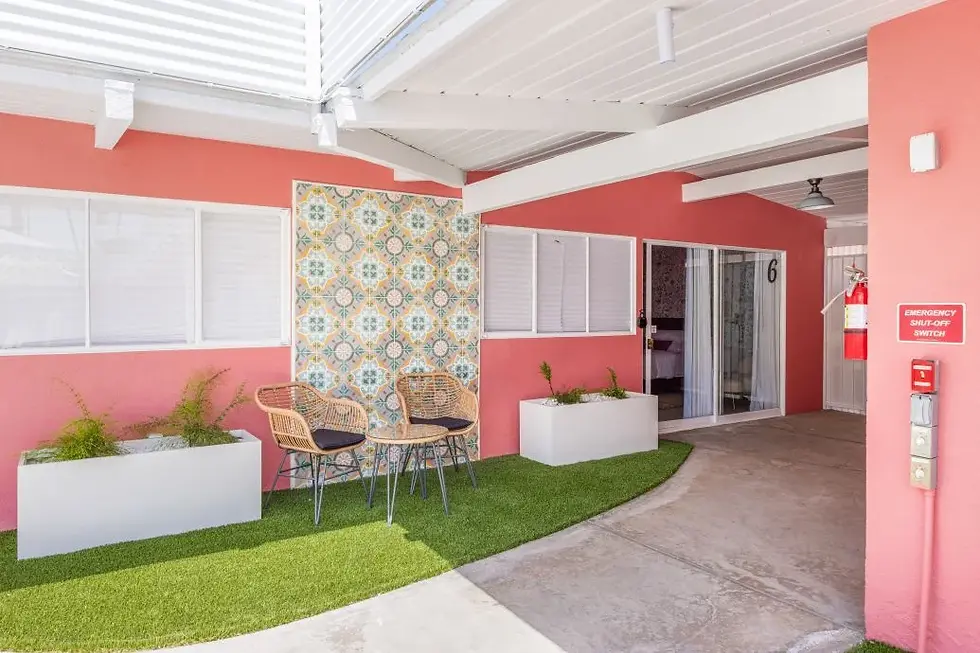
If you want a base that puts you close to the door tour neighborhoods, Moorten Botanical Garden, Indian Canyons, and the downtown art corridor without placing you on the busiest stretch of the main resort strip, The Bowie Suite at The Muse Hotel Palm Springs offers a private patio and courtyard pool access in the Warm Sands neighborhood, about 2.1 miles from downtown and 3.5 miles from the Indian Canyons trailhead. The Bowie Suite's own design, full kitchen, and private outdoor fireplace give you content that never requires leaving the property. Browse all suite options and availability directly at The Muse Hotel Palm Springs.


Comments