%20(1).png)
%20(1).png)
Local Tips for Visiting Palm Springs: Myths Locals Bust

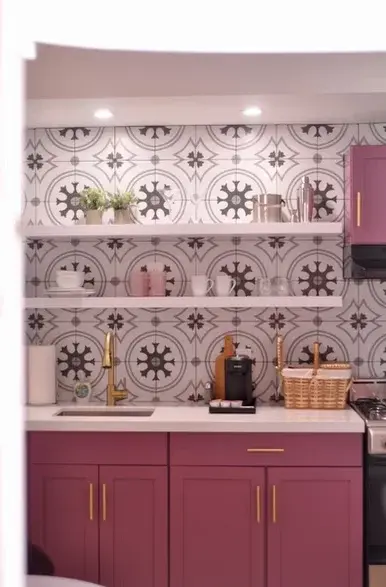
The best local tips for visiting Palm Springs almost never match what travel blogs repeat. Locals do not avoid summer entirely, they do not think you need a rental car for everything, and they do not think the Aerial Tramway is the only mountain escape worth your time. At The Muse Hotel Palm Springs, our nine-suite hotel in Warm Sands, we hear the same misconceptions from nearly every group that checks in, and most of them cost visitors money, time, or a better trip.
Key Takeaways
Palm Springs' high season runs roughly October through April, but summer (July through September) is a legitimate value season with lower hotel rates, not a month to skip entirely.
Palm Springs is walkable and bikeable enough that a rental car is optional for a downtown-based stay, contrary to the myth that you need one to see anything.
Indian Canyons and Tahquitz Canyon are two separate hiking destinations with different fees and trail conditions, and locals pick between them based on crowd tolerance and time.
According to Visit Greater Palm Springs and Tourism Economics, visitors spent nearly $1.9 billion in Palm Springs in 2026, with lodging accounting for 47% of that spending, proof the city runs on tourism dollars year round.
Short-term rental guests average a 9.7-day stay in Greater Palm Springs versus 4.1 days for hotel guests, which changes how you should plan pacing depending on where you book.
Warm Sands, the neighborhood where The Muse Hotel Palm Springs sits, is roughly a five-minute drive from downtown Palm Canyon Drive, close enough to skip renting a car for most trips.
Every year, more visitors arrive in Palm Springs believing something a friend told them, or something a decade-old blog post repeated, that is not true anymore. Maybe it is the idea that summer is unbearable and pointless, or that you cannot get anywhere without a car, or that Indian Canyons and Tahquitz Canyon are the same hike with two names.
We have run The Muse Hotel Palm Springs in the Warm Sands neighborhood for years, and part of running a boutique hotel here means fielding the same questions from bachelorette groups, couples, and design-forward travelers every single week. This guide walks through the myths we hear most often, and what locals actually do instead, grounded in real 2026 numbers, not recycled travel-blog assumptions.
Myth: Summer in Palm Springs Is Always a Bad Time to Visit
Summer in Palm Springs is a genuine value season, not a season to avoid outright. June through September highs regularly exceed 100 degrees, with July and August often reaching around 108 degrees, and the official Greater Palm Springs tourism plan identifies July through September as the destination's summer slow season.
Slow season means something specific here: lower hotel rates, easier restaurant reservations, and a quieter courtyard pool. It does not mean the city shuts down. Locals treat summer as an indoor-morning, poolside-afternoon, patio-dinner kind of season. You start outdoor plans by 8am, you are inside or in the water by 11am, and you come back out once the sun drops, usually after 6pm.
Summer is not good for multi-hour hiking at Indian Canyons or Tahquitz Canyon, or anything that puts you on unshaded pavement at 1pm. It is good for spa days, the pool, and restaurant deals that do not exist in February. If your Palm Springs trip is built around lounging rather than trekking, summer 2026 is when the math works in your favor.
Myth: You Need a Rental Car to See Anything in Palm Springs
Palm Springs is compact enough to navigate without a car for most of a typical trip, and the official Visit Palm Springs guide describes the city as walkable, bikeable, and rideshare-friendly between neighborhoods. Downtown Palm Canyon Drive, the Uptown Design District, and South Palm Springs sit close enough together that many visitors never need to rent anything with a steering wheel.
Here is the honest breakdown. If you are staying downtown or in Warm Sands, walking or a short rideshare covers dinner, VillageFest, and the Palm Springs Art Museum. Biking covers more ground on the flat, palm-lined streets locals use to get around. A car only becomes worth it for Indian Canyons, Joshua Tree National Park, or a day trip to Palm Desert.
Guests staying at The Marilyn Suite often skip the rental car entirely since downtown Palm Springs sits just minutes away by rideshare or bike. That said, if Indian Canyons or Joshua Tree is on your list, book a car for that day specifically rather than for the whole trip. Ridesharing to trailheads gets expensive fast, and there is no meaningful public transit option to the canyons.
Expert Tips for Thriving in the Summer Heat of Palm Springs, CA
Myth: Indian Canyons and Tahquitz Canyon Are Basically the Same Hike
Indian Canyons and Tahquitz Canyon are two distinct hiking destinations on Agua Caliente Band of Cahuilla Indians land, with different trail networks and different entry logistics. Tahquitz Canyon follows a two-mile loop trail leading to a 60-foot waterfall, and is generally the shorter, more contained hike of the two.
Indian Canyons covers a larger network of palm-oasis trails across multiple canyons, better suited to travelers who want a longer morning outdoors or more route options depending on group fitness. Tahquitz Canyon is the better pick if you have a half day, want a defined destination (the waterfall), and prefer a shorter, predictable loop.
Both sit on tribal land, so check current hours, fees, and any ranger-led walk schedules directly through Indian Canyons and Tahquitz Canyon before you go, since seasonal closures happen. Either way, start before 9am. Locals do not hike either canyon after 10am between May and September, and most skip the midday sun even in cooler months.

Myth: The Aerial Tramway Is the Only Way to Escape the Heat
The Palm Springs Aerial Tramway is a legitimate way to escape desert heat: a roughly 10-minute rotating tram ride that climbs to mountain elevations above 8,000 feet, but it is far from the only cooling option locals use. Restaurant patios with misters, the Palm Springs Art Museum's air-conditioned galleries, and timing outdoor plans for early morning all do the same job without a ticket line.
If you do go up the tram, buy tickets in advance through the official ticketing system and expect a temperature drop of 30 to 40 degrees at the top, cool enough that you will want a light jacket even in summer. Weekday mornings run noticeably shorter lines than weekend afternoons.
Locals treat the tram as a half-day activity, not a quick stop. Budget two to three hours round trip once you include the ride up, a walk on the mountain trails at the top, and the ride back down. It is one of the few Palm Springs experiences where the hype is earned, but it is not a heat-escape shortcut if you are trying to fit it between lunch and dinner.
Myth: All the Good Restaurants Are Downtown on Palm Canyon Drive
Downtown Palm Canyon Drive is the busiest and most walkable restaurant corridor in Palm Springs, but locals spread their dining across the Uptown Design District, roughly a mile north along North Palm Canyon, and South Palm Springs, and skipping those areas means missing half the city's food scene.
For breakfast, Cheeky's is the local go-to for creative, seasonal morning plates and a rotating bacon flight, while Townie Bagels covers the artisan bagel crowd. For dinner with real culinary credibility, Workshop Kitchen & Bar carries James Beard and Michelin recognition, and its sister spot Truss & Twine next door handles the cocktail side of the same evening. Reserve Workshop through Resy at least a week out during winter and spring.
For something newer, Bar Cecil has become an Eater-recommended stop named after Cecil Beaton, and it is a solid pick if you want a spot that opened more recently rather than a decades-old institution. Sherman's Deli and Bakery, at shermansdeli.com, has been serving Palm Springs since the 1950s, and locals still go for the matzo ball soup even though it shows up on every tourist list too. If you have a dog and want an outdoor patio, Boozehounds welcomes pets and runs a Filipino-influenced menu that stands apart from anything else in town.
If art and food are both on your list, Liv's inside the Palm Springs Art Museum lets you combine a gallery visit with lunch, and the museum itself offers free admission Thursdays from 5 to 7pm.
Myth: Palm Springs Is Just for Golf and Older Retirees
Palm Springs has shifted toward a younger, design-focused, social visitor base over the last decade, and the numbers back that up. Greater Palm Springs welcomed 14.5 million visitors in 2026, up 1.0% year over year, according to Visit Greater Palm Springs and Tourism Economics, and a growing share of that traffic comes from bachelorette parties, couples' getaways, and groups of friends drawn to the city's mid-century modern design culture rather than its golf courses.
The typical Greater Palm Springs travel party had 3.3 people and spent $612 per day in 2026, per the destination's visitor-tracking study, numbers that reflect group and social trips as much as retiree vacations. Modernism Week, an 11-day February festival celebrating the city's architecture, now draws design enthusiasts from across the country, with a smaller edition typically returning in October.
Neighborhoods like Old Las Palmas and the Historic Tennis Club district hold some of the city's most recognized mid-century homes, including the Palm Springs Tennis Club and Del Marcos Hotel, and both self-guided walks and organized architecture tours cover them. This is exactly the crowd The Muse Hotel Palm Springs was built for: nine individually themed suites with pink walls, feather accents, and bold retro styling, sitting in Warm Sands rather than a golf resort corridor.
Myth: A Group Trip Means Booking Scattered Hotel Rooms
A group of six to fourteen people visiting Palm Springs does not have to split across multiple hotel floors or separate properties, and locals who plan bachelorette weekends know that a full property buyout usually solves more problems than it creates. The Muse Hotel Buyout hands your group all nine suites, sleeping up to 22 guests across 10 beds plus two rollaways and nine bathrooms, with nobody else on the property.
Splitting one buyout rate across a group of 12 to 22 people, with grab-and-go breakfast, parking, and pool access already included, tends to land at a lower per-person cost than most groups expect when they first do the math. The courtyard includes a six-person hot tub, an outdoor fireplace, and a pergola with swings, and four suites, the Brigitte, Audrey, Marilyn, and Taylor suites, come with private fenced backyards for anyone who wants space away from the group.
For groups that do not need the full buyout, The Duo Suite gives two subgroups their own king bedroom and private bath under one roof, which solves the classic girls' trip problem of two friend circles traveling together who do not want to share a bathroom. If you are planning a bachelorette specifically, our bachelorette party Palm Springs guide breaks down which suite fits which group size.

Myth: Palm Springs Is Only a Weekend Trip From Los Angeles
Palm Springs sits roughly 100 to 110 miles east of Los Angeles, a drive that typically runs 2 to 2.5 hours depending on traffic on Interstate 10, but locals know it works just as well for a mid-week escape or a longer stay as it does for a weekend. Vacation rental guests in Greater Palm Springs average 9.7 days per trip, nearly triple the average hotel stay of 4.1 days, which tells you plenty of visitors treat this as more than a quick weekend hop.
From Las Vegas, the drive runs roughly 3.5 to 4 hours depending on route and traffic through the Mojave, making Palm Springs a realistic stop on a broader Southern California and Nevada road trip rather than a standalone weekend destination. Coachella, home to the festival grounds, sits about 25 to 30 minutes southeast of Palm Springs by car.
Because the planning window for Greater Palm Springs trips typically runs around 93 days with a booking window near 59 days, per the region's visitor-tracking study, waiting until the week before your trip to book a weekend getaway is cutting it closer than most repeat visitors do, especially during the October through April high season.
How Should You Actually Plan a Palm Springs Trip in 2026?
Planning a Palm Springs trip in 2026 starts with picking a season that matches your priorities: October through April for cooler outdoor activity and Modernism Week, or summer for lower rates and a slower pace. From there, base yourself in a walkable neighborhood, confirm reservations for anything popular, and build in early mornings for outdoor plans.
Choose your season first. High season (October through April) means cooler mornings, better hiking conditions, and premium hotel rates, especially around April's music festival weekends. Summer (July through September) means extreme heat but meaningfully lower rates on hotels and easier restaurant reservations.
Book a walkable base. Staying in Warm Sands or downtown means you can handle dinner, VillageFest, and museum visits without a car, saving on rental fees and parking.
Reserve popular restaurants early. Workshop Kitchen & Bar and similar reservation-driven spots fill up fast on winter and spring weekends, sometimes a week or more out.
Schedule outdoor activities before 9am. Indian Canyons, Tahquitz Canyon, and even a downtown walk are more comfortable, and safer, before the sun peaks, especially May through September.
Rent a car only for canyon or desert day trips. If Indian Canyons, Joshua Tree, or Palm Desert are on your list, a single-day rental or rideshare beats paying for a car you barely use downtown.
Pack for a 30 to 40 degree swing. Desert mornings and evenings run cool even in summer, and the Aerial Tramway summit is dramatically colder than the valley floor.
What Do Locals Actually Wish Visitors Knew?
Locals in Palm Springs generally wish visitors understood two things: the desert's water scarcity affects daily etiquette more than tourists expect, and Indian Canyons and Tahquitz Canyon sit on Agua Caliente Band of Cahuilla Indians land, not generic public parkland. Both facts change how you should behave once you are here.
Practically, that means shorter showers matter even at a hotel, and it means treating canyon trails with the same respect you would show any other community's land, including staying on marked paths and packing out trash. The Agua Caliente Cultural Museum is a useful stop if you want cultural context before or after a canyon hike, and it adds real depth to a trip that otherwise skips straight to the waterfall photo. Locals also know that most downtown parking meters go unenforced after 6pm and on Sundays, so if you are eating downtown for a late dinner, you can usually skip the meter app entirely.
Locals also tip generously and expect the same from visitors: 15% to 20% for bartenders and servers, $3 to $4 for rideshare or taxi drivers, and $3 to $5 per day for hotel housekeeping. Desert service industry wages lean heavily on tips, especially during the slower summer months when tourist volume drops.
Quick Facts: Palm Springs Myths vs. Reality
Myth | Reality |
Summer is a wasted trip | Summer (July-September) is the slow season with lower rates; plan around midday heat instead of skipping the trip |
You need a rental car for everything | Downtown, Uptown Design District, and Warm Sands are walkable or bikeable; rent a car only for canyons or day trips |
Indian Canyons and Tahquitz Canyon are the same | Tahquitz Canyon is a defined 2-mile loop to a 60-foot waterfall; Indian Canyons covers a larger multi-trail network |
The Aerial Tramway is the only heat escape | Museum galleries, patio misters, and early starts work too; the tram is a half-day activity, not a quick cooldown |
All good food is on downtown Palm Canyon Drive | Uptown Design District and South Palm Springs each have their own distinct dining scene worth the short drive |
Palm Springs is only for golf and retirees | Modernism Week, design culture, and group travel now drive much of the city's 14.5 million annual visitors |
Groups need to book scattered hotel rooms | A full hotel buyout, like The Muse Hotel Palm Springs, houses up to 22 guests under one roof and one rate |
Frequently Asked Questions
How far is Palm Springs from Los Angeles?
Palm Springs sits roughly 100 to 110 miles east of Los Angeles, typically a 2 to 2.5-hour drive via Interstate 10 depending on traffic, which is heavier on Friday afternoons and Sunday evenings during high season.
How far is Palm Springs from Las Vegas?
The drive between Palm Springs and Las Vegas runs approximately 3.5 to 4 hours depending on route and traffic conditions through the Mojave Desert corridor, making it a workable stop on a longer Southwest road trip.
How far is Coachella from Palm Springs?
Coachella, home to the festival grounds, sits roughly 25 to 30 minutes southeast of Palm Springs by car, close enough that many festival attendees base their stay in Palm Springs and commute in for the day.
Is Palm Springs walkable without a rental car?
Yes. Downtown Palm Canyon Drive, the Uptown Design District, and the Warm Sands neighborhood are close enough together for walking, biking, or short rideshares, and a car is only necessary for canyon hikes or day trips to Joshua Tree or Palm Desert.
What is the best month to visit Palm Springs?
October through April is the most comfortable window, with cooler mornings and warm afternoons, though April brings festival crowds and premium rates. Summer, from July through September, trades extreme heat for meaningfully lower hotel rates and quieter restaurants.
Can you rent out an entire hotel in Palm Springs for a group?
Yes. The Muse Hotel Palm Springs offers a full property buyout covering all nine suites, sleeping up to 22 guests, with breakfast, parking, and pool access included in a single rate that gets split across the group.
Do you need to book restaurants in advance in Palm Springs?
For popular reservation-driven spots like Workshop Kitchen & Bar, yes, especially during the October through April high season when a week or more of lead time is common. Casual spots like Cheeky's or Townie Bagels are generally more forgiving of walk-ins outside peak brunch hours.
Final Thoughts on Visiting Palm Springs Like a Local
The local tips for visiting Palm Springs that actually matter come down to timing and transportation, and knowing which myths to ignore. Summer is not a wasted trip, a rental car is optional for most itineraries, and Indian Canyons and Tahquitz Canyon each deserve their own visit rather than getting lumped together. Locals plan around the heat instead of around outdated assumptions, and that single shift changes a Palm Springs trip from stressful to easy.
Whether you are visiting for Modernism Week, a bachelorette weekend, or a quiet couple's escape in 2026, the city rewards visitors who plan a little like a local: early starts, a walkable neighborhood, and reservations made a week ahead rather than the night before.

If you want a home base that puts you minutes from downtown without needing a car, The Bowie Suite pairs a private mountain-view patio with a full kitchen, so you can skip a restaurant reservation entirely on the nights you would rather stay in. Check availability at The Bowie Suite.
Written by Maggie Williams, Owner & Operator at The Muse Hotel Palm Springs
Content powered by inkSTR.co


Comments